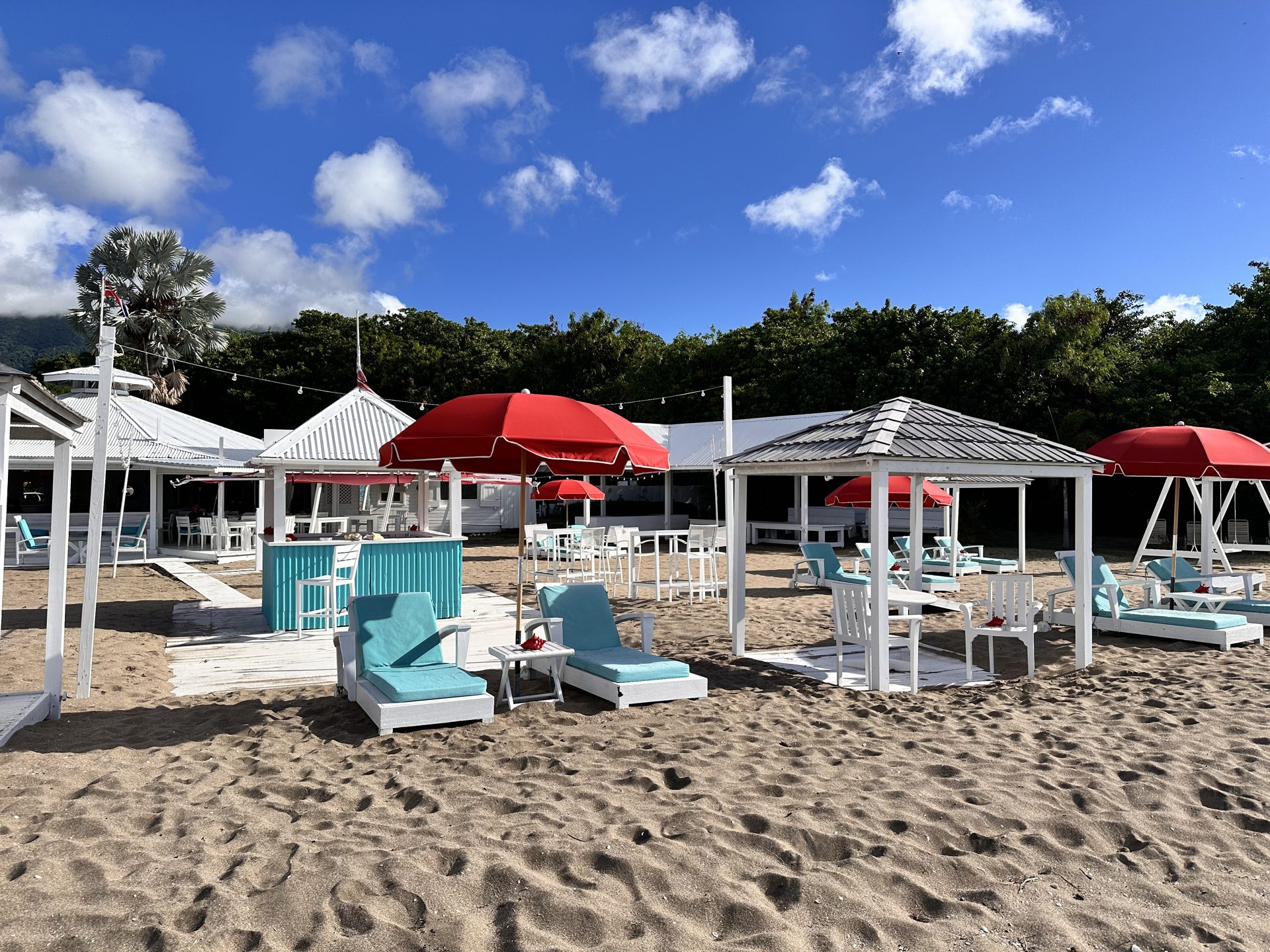
A small island, suddenly in the spotlight
Nevis has about 11,000 people and has spent decades as a quiet retreat known mainly for the Four Seasons Resort and its citizenship-by-investment program. Right now two very different development pushes are landing at once: a government-led geothermal energy project moving toward drilling, and a far bigger, privately driven proposal called “Destiny.”
Destiny is the vision of Olivier Janssens, a Belgian bitcoin investor who became a Nevisian citizen through the island’s investment program. He’s pledged $50 million toward infrastructure for a luxury, high-end community built under a new “Special Sustainability Zone” (SSZ) law — a zone where some commercial and civil disputes would go to private arbitration instead of the regular courts, though Janssens says national law would still apply.
The proposal has been with the federal government for review since an application arrived on January 29, 2026. Prime Minister Terrance Drew says the process won’t be rushed to suit an investor’s timeline, while Nevis Premier Mark Brantley has warned that delay could cause the deal to fade away. Nothing has been approved yet — it’s still being debated.
Why people come to Nevis — and islands like it
St. Kitts and Nevis pioneered citizenship-by-investment in 1984, and that program is still the main door: it offers fast residency, visa-free travel, and a tax-friendly base, so it draws a steady stream of global buyers looking for a plan B. Janssens himself got his start on Nevis this way, later calling himself a “proud Nevisian” after investing.
Since the pandemic, a newer pull has joined it — wealthy entrepreneurs and crypto investors chasing the “network state” idea: building semi-independent communities with lighter rules than they’d get at home. Small, English-speaking islands with warm weather, political stability, and land that looks “undeveloped” to outside eyes are exactly what that movement is hunting for — Nevis isn’t the only target, but it’s a very visible one right now.
What a surge of new money and people would mean for Nevis
The upside is real: a project this size could bring short- and long-term construction jobs, trades training, and a shift from a seasonal tourism economy to a year-round one — the case made by local supporters who point to long-term youth unemployment and emigration as problems worth solving.
But the strain is just as real. Destiny’s backers are acquiring large coastal tracts on the south coast for villas, clinics, and hotels — land that doesn’t come back once it’s built on. The Nevis Island Administration has already been buying up acreage itself just to keep homeownership within reach for Nevisians, which is a sign officials already see land prices as a looming problem, Destiny or no Destiny. Water, roads, and electricity — the same systems the geothermal project is meant to strengthen — would all need to absorb a lot more demand, on an island that’s physically small and can’t simply expand its footprint.
Nevis’s new image abroad
Until recently, international coverage of Nevis was mostly travel writing. Destiny has changed that: the Brussels Times called it an attempt to build the “Dubai of the Caribbean,” The Week described a “libertarian community with its own legal system,” and crypto-industry outlets now talk about Nevis in the same breath as other network-state projects worldwide.
That’s a louder, higher-stakes spotlight than a Caribbean island this size usually gets, and it cuts both ways. It puts Nevis on the radar of a global wealthy and tech-investor audience it couldn’t easily reach before — but it also invites comparisons to projects that didn’t end well, and it’s pushing St. Kitts and Nevis’s own leaders to publicly reassure people that sovereignty and the Constitution aren’t on the table, even as they court the investment.
Who wins, who loses
A project like Destiny doesn’t affect everyone on Nevis the same way — and islands elsewhere that have gone through similar surges show a consistent pattern of who comes out ahead and who doesn’t.
| Group | Likely to gain | Likely at risk |
|---|---|---|
| Government treasury | Fees, taxes, and CBI revenue from a flagship project | Pressure to grant tax breaks or special legal status that reduce long-term leverage |
| Landowners with coastal/south-coast property | Sharp rise in sale value | None directly — but neighbours without land to sell don’t share in it |
| Tradespeople & contractors | Construction jobs, training, short- to medium-term income | Work dries up once building phase ends |
| Renters & land-poor Nevisians | Possible new jobs | Priced out as land and rents rise; no equity to cash in |
| Investors & new residents | A purpose-built luxury community, lighter regulation | Project depends on political and public buy-in that could still collapse |
| Local courts & governance | N/A | Scope creep if private arbitration expands beyond commercial disputes |
Former Prime Minister Timothy Harris has called Destiny “neo-colonialism”, warning against foreign-led control of land and governance — a sharper version of a worry researchers have documented elsewhere. In Honduras, the “Prospera” private city lost its legal fight with the government after local and political backlash over land and sovereignty, and is now suing the country for billions. In Spain’s Balearic Islands, tens of thousands of residents have marched against a tourist boom that locals say has pushed up rents and squeezed them out of their own neighbourhoods. Academic researchers studying small-island tourism describe the same mechanism repeating: limited land and water mean a surge of outside money raises prices island-wide long before it raises local wages enough to keep up.
A better plan — where Nevis goes from here
None of this means Nevis should say no to investment. It means the terms matter more than the headline number. A few things a better plan would include:
- Lock in local benefit, not just promises. Jobs, training, and profit-sharing should be written into the development agreement itself — not left as goodwill gestures that depend on the developer’s mood.
- Keep private arbitration narrow. Limiting it strictly to commercial disputes between investors, as officials say is the intent, and putting that limit in the law rather than just in statements, would blunt the sovereignty concern Harris and others have raised.
- Get ahead of land prices, not behind them. The NIA’s own land purchases for Nevisian homeownership is the right instinct — doing more of that before a project breaks ground, not after, is what keeps locals from being squeezed out of their own island.
- Finish the legislative homework first. The ad hoc committee reviewing the Special Sustainability Zone law has already recommended strengthening it — that review should conclude, and the public should see the result, before any final agreement is signed.
- Make the consultation real, not ceremonial. The gap between “cautious optimism” among supporters and “neo-colonialism” among critics is wide enough that Nevisians deserve a clear, public say before the deal is locked in, not just a reaction to it afterward.
For Nevis — and for small islands facing the same pitch from the same pool of global capital — the lesson from Mallorca and from Prospera is the same: a deal that looks good on a boardroom slide can still fail if the people living there never felt they had a seat at the table. Getting the sequencing right, oversight before the ribbon-cutting, is the difference between a transformation Nevis chose and one that happened to it.